
A shifted load does not wait for a sustainability meeting. It becomes a claim, a damaged shipment, a rejected delivery, or a customer problem the moment freight starts moving. That is why recyclable dunnage bags matter to shippers who need both cargo protection and a cleaner material stream. If you are responsible for load stability in truck, railcar, or intermodal shipments, the question is not whether void fill matters. The real question is whether the bag you choose performs consistently and fits your operation after use.
Thank you for reading this post, don't forget to subscribe!What recyclable dunnage bags actually solve
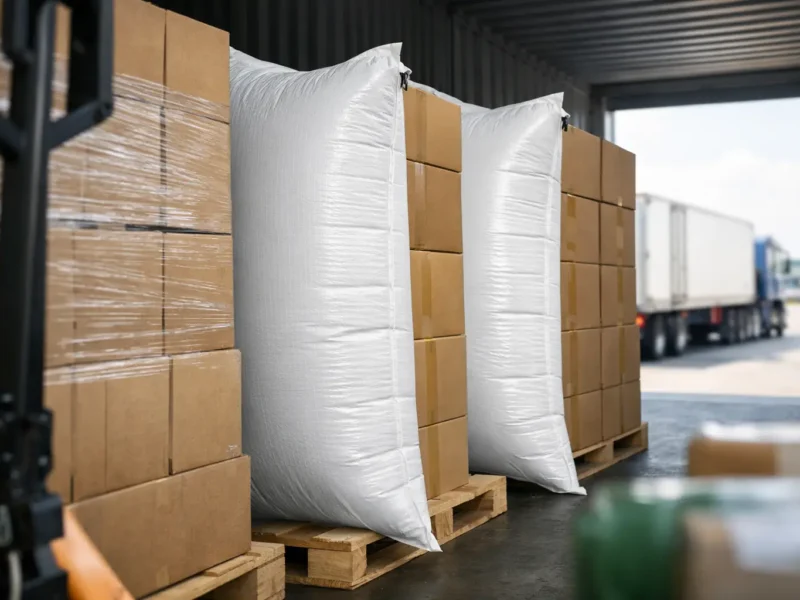
At the basic level, dunnage bags fill lateral voids between cargo units to limit movement during transit. When properly selected and inflated, they help distribute pressure across the load, reduce shifting, and protect packaging from impact and abrasion. In practical terms, that means fewer crushed cartons, fewer leaning pallet loads, and fewer surprises when doors open at destination.
The recyclable part changes the conversation after the shipment is complete. Many shipping operations are under pressure to reduce landfill waste, improve recycling rates, and document more responsible packaging choices. Recyclable dunnage bags can support those goals, but only if the material construction, local recycling access, and actual field handling line up. A bag being technically recyclable is not the same as it being recycled in your facility or at your customer site.
That distinction matters for procurement teams and packaging engineers. A purchasing decision based only on price per unit can miss disposal costs, labor burden, and sustainability reporting requirements. On the other hand, a decision based only on environmental claims can create performance problems if the bag is not matched correctly to void size, load weight, and transport mode.
What makes dunnage bags recyclable
Most recyclable dunnage bags used in freight securement are built from materials such as polypropylene or polyethylene. These materials can often enter established recycling streams, depending on how the bag is constructed and what contamination occurs during use. In many cases, a woven polypropylene outer with a compatible inner bladder offers a more practical recycling path than mixed-material constructions that are harder to separate.
This is where specifications matter. A bag may be marketed as recyclable, but recyclability depends on more than the label. It depends on resin type, coatings, valves, adhesives, printing, and whether the end user has a way to collect and process the used bags. For operations managers, that means asking a simple question early: can this bag be recycled in the locations where it will actually be discarded?
Kraft-paper dunnage bags are part of the conversation as well. They are widely used and perform well in many applications, but their recyclability can vary based on liners and construction. In some environments, a polywoven option may be the cleaner fit for a facility trying to standardize recycling around plastics. In others, kraft may still make sense because of load profile, handling preference, or disposal practices. It depends on the shipping environment, not just the material category.
Why recyclable dunnage bags are attractive to industrial shippers
For most B2B buyers, this is not about image. It is about control. Recyclable dunnage bags can help reduce waste volume while keeping the core function of load securement in place. That has value for companies managing high shipment counts across multiple sites, especially when they are under pressure to improve both freight performance and packaging efficiency.
There is also a practical supply-chain benefit. Standardizing around a bag type that is accepted by your operations team, your receiving partners, and your sustainability group reduces internal friction. Warehouse teams want easy handling and reliable inflation. Procurement wants consistent quality and predictable pricing. Quality and logistics teams want fewer damage incidents. Environmental teams want fewer disposal headaches. The right dunnage specification can support all four, but only when the product is chosen with actual use conditions in mind.
Performance still comes first
A recyclable bag that fails in transit is not a better packaging choice. It simply creates waste after a preventable loss. That is why performance testing and manufacturing consistency should stay at the center of the buying process.
Load weight, void size, stacking pattern, trailer or railcar conditions, and route profile all affect bag selection. A light palletized shipment moving by dry van on a stable route may need a very different bag than dense industrial product moving by rail. Inflation level also matters. Overinflation can stress the bag and underinflation can allow movement. Neither problem is fixed by a sustainability claim.
This is one of the biggest mistakes buyers make when comparing options. They assume all dunnage bags in the same general size are interchangeable. They are not. Bag construction, burst behavior, valve quality, material gauge, and quality control vary by manufacturer. For a high-volume shipping operation, small differences in reliability can become large differences in claim rates and labor cost.
How to choose recyclable dunnage bags for your operation
Start with the load, not the bag. You need to know the type of product being shipped, the weight distribution, the gap being filled, and the transport mode. From there, evaluate the bag material and level of performance needed.
Match the bag to transport conditions
Truck, rail, and intermodal each create different stress patterns. Rail shipments often involve higher force and longer duration, so bag strength and application accuracy matter even more. Intermodal adds handling transitions that can increase movement risk. If your shipments move across more than one mode, choose for the harshest condition rather than the easiest one.
Verify recycling fit at the point of disposal
Do not assume your site and your customer site handle used packaging the same way. A recyclable bag only delivers the intended waste benefit if the receiving stream accepts it. That may require confirming resin compatibility, asking about contamination thresholds, or setting up collection procedures.
Look at valve and inflator compatibility
This is operational detail, but it affects cost and speed. A bag that is technically suitable on paper can still create delays if the valve style does not match your current inflators or if inflation is inconsistent on the floor. Fast, repeatable inflation matters in busy loading environments.
Ask about testing and material sourcing
Quality claims should be supported by real testing, not broad marketing language. Burst testing, leak testing, and production consistency all matter. So does material quality. If your operation has had issues with variation from one lot to another, supplier discipline is not optional.
Common trade-offs buyers should expect
There is no single dunnage bag that is best for every shipment. Recyclable dunnage bags come with the same kind of trade-off analysis as any other industrial packaging choice.
A lower-cost bag may reduce spend on paper but increase failure risk or labor time. A heavier-duty bag may improve protection but be unnecessary for lighter shipments. A recyclable polywoven format may align well with one facility’s waste program but not another’s. The right answer usually comes from balancing freight risk, packaging cost, and post-use handling rather than chasing one metric.
For many shippers, consistency is worth more than a small unit-price reduction. A stable supply of tested bags that perform the same way from order to order can protect margins better than a bargain option that introduces uncertainty.
Where recyclable dunnage bags fit best
They are a strong fit for operations shipping palletized goods, packaged industrial products, consumer goods, building materials, and many other freight types where lateral voids create movement risk. They are especially useful when the shipper wants one securement method that is quick to apply, easy to train around, and more manageable in the waste stream than some traditional alternatives.
They are not a replacement for good loading practice. Poor pallet condition, unstable stacking, damaged packaging, or oversized voids can still create failure points. Dunnage bags work best as part of a broader securement process that includes correct load configuration and the right supporting materials.
Why supplier support matters as much as the bag itself
Most shipping problems are not caused by the concept of dunnage. They are caused by incorrect selection, inconsistent product quality, or poor application. That is why knowledgeable supplier guidance has real value. A supplier that understands freight conditions can help narrow the field quickly, recommend the right size and construction, and avoid costly trial and error.
For buyers managing damage reduction targets, this matters more than broad product catalogs. Fast response, clear recommendations, and dependable quality control reduce downtime in the decision process. Plastix USA works with that kind of urgency because most customers are not browsing. They are trying to prevent the next claim, protect current shipments, and keep freight moving.
Recyclable dunnage bags are worth considering when you need cargo protection without ignoring what happens after the trailer is unloaded. The best results come from treating recyclability as one part of the specification, not the whole specification. Choose the bag that fits your load, your mode, and your disposal reality, and you will usually make a better decision for both freight performance and operational efficiency.
Recent Comments