
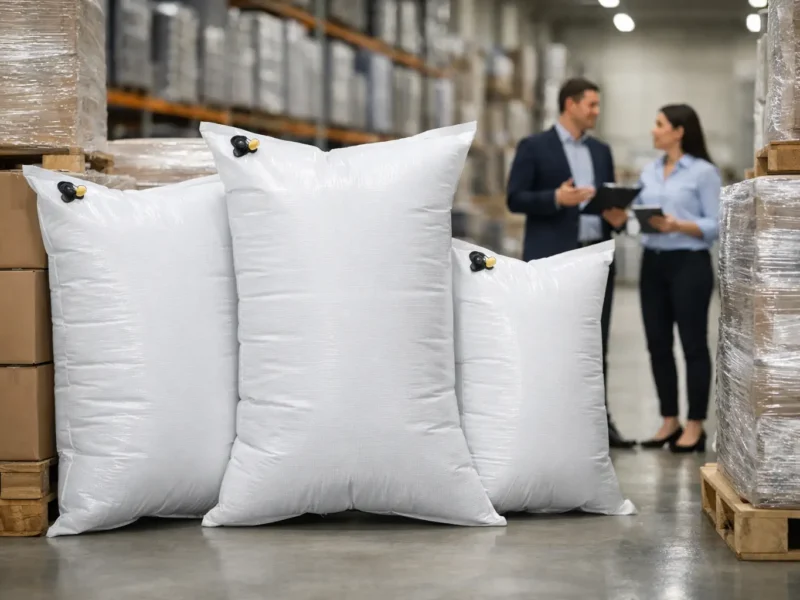
A load that shifts once in transit can turn a profitable shipment into a claim, a rejected delivery, or damaged inventory nobody wants back in the warehouse. That is why choosing the right bulk dunnage bags supplier is not a routine purchasing decision. It affects cargo protection, labor efficiency, receiving performance, and how confidently your team can load truck trailers, railcars, and intermodal containers.
If you buy dunnage bags in volume, price matters. But price alone is a weak filter. The real question is whether the supplier can deliver the right bag construction, consistent quality, and fast support when your shipping profile changes or your operation is under pressure.
What a bulk dunnage bags supplier should actually provide
A dependable supplier should do more than ship boxes of air bags. The job is to help you match the product to the application so the bag performs under real load conditions. That means understanding the void size, shipment mode, load weight, pallet condition, and the movement profile of the trip.
For example, a bag that works well in over-the-road freight may not be the best fit for rail, where impact forces are different and performance expectations are higher. The same is true when comparing palletized consumer goods to dense industrial products. If a supplier only talks about unit cost and not application fit, you are probably not getting enough support.
A qualified supplier should be able to discuss kraft dunnage bags versus woven polypropylene options, valve styles, inflation tools, and the practical trade-offs between them. In some operations, a lower-cost bag is acceptable. In others, material strength, valve reliability, and inflation speed will save more money than the initial purchase price ever could.
How to evaluate bulk dunnage bags supplier quality
Quality in this category is not just about whether the bag inflates. It is about whether it inflates consistently, holds pressure as expected, fits the void correctly, and performs from lot to lot. If you are ordering in volume, inconsistency creates operational problems fast. Your loaders notice it first. Then your damage rates do.
A serious bulk dunnage bags supplier should be able to speak clearly about manufacturing controls and testing. That includes in-process inspection, post-production checks, and material standards. Buyers should also ask where raw materials are sourced and whether the supplier maintains the same specification over time. Changes in film, woven layers, paper, or valves can affect real-world performance, even when the product name stays the same.
This is where supplier discipline matters. A bag is only as dependable as the process behind it. If your operation ships daily, you need repeatability more than marketing claims.
Why testing matters more than product claims
Many dunnage bags look similar on a spec sheet. The difference shows up in the field. Valve leaks, weak seams, inconsistent dimensions, or poor inflation behavior can slow loading and increase the chance of load movement.
Testing helps reduce that risk, but buyers should look beyond generic statements. Ask whether the product is tested during production and after production. Ask how defects are identified and what happens when a lot does not meet standard. Good suppliers welcome those questions because they already work that way.
Supply reliability is part of product performance
The best bag on paper does not help if it is unavailable when your dock needs it. For high-volume shippers, supply continuity is part of cargo protection. If your primary item goes out of stock and your team substitutes another size or construction without proper review, you can introduce load risk immediately.
A good supplier should have a clear process for forecasting, restocking, and responding to urgent demand. That matters even more for operations with seasonal swings, multiple shipping sites, or variable freight modes. A supplier that understands your usage patterns can help prevent last-minute substitutions and rushed purchasing decisions.
Response speed also matters. Procurement teams may focus on contracts and pricing, while warehouse teams care about what arrives and when. The right supplier supports both. That means quick quoting, practical recommendations, and answers that do not take days while shipments wait.
Product range matters because freight profiles vary
Not every shipper needs a broad product catalog, but a supplier with range can usually support growth and change more effectively. If you move from truckload to rail, add a new product line, or start shipping heavier freight with larger voids, your securement needs may change.
A supplier that offers multiple bag constructions, sizes, valve options, and inflation tools can help you standardize where it makes sense and adjust where it does not. That is especially useful for companies with mixed loads across locations. One facility may need a lightweight solution for stable pallet patterns, while another needs heavier-duty bags for demanding transport conditions.
The point is not to buy more products than you need. It is to avoid forcing one product into every application when the shipment profile says otherwise.
The lowest price can be the highest freight cost
There is always pressure to reduce packaging spend, and that is reasonable. Dunnage bags should contribute to cost control. But cost control and lowest bid are not the same thing.
A cheaper bag may still be the right choice if the application is light, stable, and forgiving. It depends on the shipment. But if that lower price comes with inconsistent construction, slower inflation, more operator frustration, or a higher chance of damage, the savings disappear quickly. One claim can wipe out the difference from a large order.
The better approach is to compare total use cost. Look at bag performance, inflation speed, rejection rate, training simplicity, and freight damage exposure. Procurement savings matter, but so do labor minutes and claim prevention.
Where operational efficiency shows up
Small product differences can affect loading speed more than buyers expect. A valve that connects cleanly to your inflator tool, a bag that fills predictably, or a size that fits the void correctly without repositioning can save time on every trailer or container.
That does not always show up in a purchase order comparison. It shows up on the dock, where your team is trying to load efficiently without compromising cargo security. A supplier that understands operations will talk about that, not just unit price.
Technical support should be practical, not theoretical
The best suppliers are consultative without making the process complicated. They ask useful questions and give direct answers. What are you shipping? How much does it weigh? What void are you filling? Is the mode truck, rail, or intermodal? What tools are your teams using now?
Those questions matter because correct bag selection is application-specific. Two customers can ship similar products and still need different recommendations based on pallet pattern, void size, trailer conditions, and route behavior.
Practical support also means helping buyers test and validate before committing to volume. Samples, quoting guidance, and straightforward product selection support are valuable because they reduce guesswork. A manufacturer with OEM experience and real application knowledge usually handles these conversations better than a generic distributor moving commodity packaging.
What to ask before placing a large order
If you are qualifying a new bulk dunnage bags supplier, ask direct questions. How is quality controlled? What testing is performed? Are materials sourced consistently? What bag types are recommended for your transport mode? Which inflator tools fit the valves offered? What lead times should you expect under normal and elevated demand?
Also ask how the supplier handles application guidance. If the answer is basically choose a size and place the order, that is a warning sign. Dunnage air bags are simple to use, but selecting the right configuration is not guesswork when freight risk is real.
For many US shippers, sourcing standards matter as well. Buyers increasingly look at material origin, consistency, and supplier accountability because those factors affect both quality confidence and procurement risk. A supplier that can explain its manufacturing standards clearly is easier to trust over the long term.
The right supplier helps reduce claims before they happen
A dunnage bag is a relatively small part of the total shipment, but it has an outsized role in load stability. When the right bag is used correctly, it helps prevent movement, protects product value, and supports better outcomes at delivery. When the wrong bag is chosen or quality varies, the problems usually appear after the freight has already left the dock.
That is why supplier selection matters. You are not only buying a packaging product. You are choosing a source of manufacturing consistency, application guidance, and response when your shipping operation needs dependable support. For buyers managing risk across truck, rail, and intermodal freight, that difference is practical, not theoretical.
Plastix USA works in that reality every day. The goal is simple: help shippers get the right dunnage solution for the load, keep quality consistent, and make cargo securement one less problem for the operation. When your supplier understands freight pressure as well as product construction, purchasing gets easier and shipments get safer.
The best time to evaluate your current dunnage supply is before the next damaged load forces the issue.