
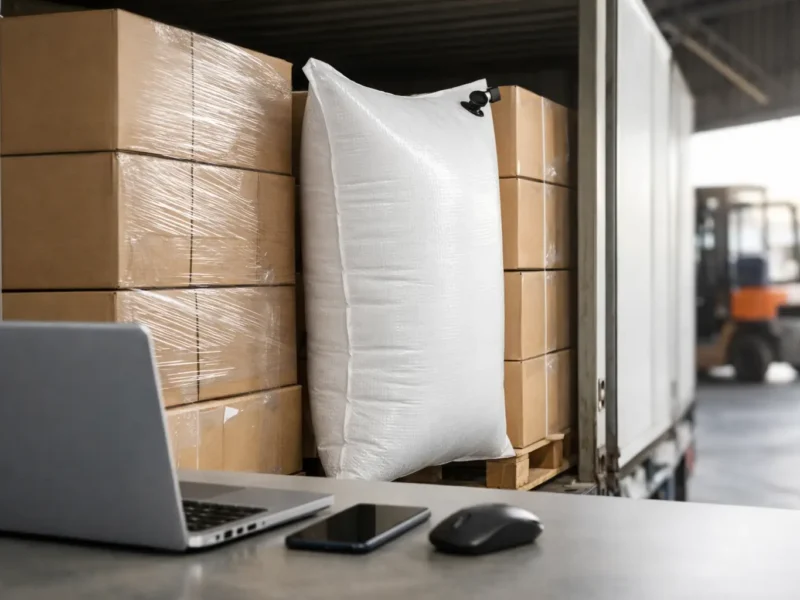
A damaged load usually does not come down to one big mistake. More often, it starts with a preventable gap, the wrong bag rating, or a rushed reorder that arrives without the right valve or inflator setup. If you need to buy dunnage air bags online, the goal is not just to place an order quickly. It is to get the correct product for the load, the mode, and the risk you are trying to control.
For warehouse teams, procurement managers, and freight coordinators, online purchasing can save time and simplify repeat ordering. But dunnage bags are not a generic commodity. The wrong specification can lead to load shift, rejected shipments, damaged inventory, and avoidable claims. A better buying process starts with understanding what actually matters before you click purchase.
What to check before you buy dunnage air bags online
The first question is not price. It is application. Dunnage air bags work by filling voids between cargo units to reduce movement in transit, but performance depends on matching the bag to real shipping conditions. A truckload of palletized product, a railcar with heavy paper rolls, and an intermodal container with mixed freight do not create the same pressure profile.
Start with the void size. If the gap between units is too large for the selected bag, inflation can overextend the material and reduce performance. If the gap is too small, the bag may not seat properly or may be difficult to inflate safely. Bag dimensions should fit the load pattern, not just the trailer width on paper.
Then consider load weight and transport mode. Heavier loads and rail applications typically demand higher-strength constructions than lighter over-the-road shipments. The bag has to hold up not only during loading but through braking, vibration, impact, and repeated handling. This is where material construction matters.
PP woven dunnage bags, kraft dunnage bags, and PE air bags each fit different operating needs. Woven polypropylene options are often chosen for strength and durability. Kraft styles can be a practical fit in many applications where paper-faced construction is preferred. Poly-based options may support different handling or cost targets depending on the shipment profile. There is no single best choice for every shipper. The right option depends on the cargo, the void, and the route.
Bag type is only part of the decision
Buyers sometimes focus on outer material and overlook the components that affect day-to-day use. Valve style, inflation speed, compatibility with existing tools, and consistency from lot to lot all matter in a busy shipping operation.
A bag that performs well in testing but slows down loading crews can become an operational problem. The same is true for a valve that does not match your inflator or a product that requires retraining across multiple shifts. When ordering online, confirm not only the bag type and size but also the valve configuration and any inflator tools required to use it correctly.
That matters even more for companies trying to standardize procedures across facilities. Consistency reduces loading errors, shortens training time, and helps purchasing teams avoid mixing products that look similar but function differently. Online ordering is efficient when the product data is clear and the specification stays consistent.
How to evaluate quality when buying online
When you cannot physically inspect a product before purchase, supplier quality controls become part of the product. That is especially true for cargo securement items, where bag failure can put the shipment and the customer relationship at risk.
Look for evidence of real manufacturing discipline. That includes in-process testing, post-production testing, and clear specification control. A supplier that treats dunnage bags as engineered freight-protection products, rather than low-cost fillers, is generally better positioned to deliver consistent results.
Material sourcing also deserves attention. Low pricing can look attractive on a purchasing screen, but cheap input material often shows up later as inconsistent film strength, weak seams, valve issues, or shorter service reliability. For B2B shippers, the actual cost of a dunnage bag includes what happens after dispatch. If a lower-cost bag increases product damage, delays, or claims, it was never the lower-cost option.
This is where experienced manufacturers stand apart from resellers with limited technical support. Plastix USA, for example, positions its offering around tested quality, fast response, and sourcing standards that support consistency. For buyers managing real freight risk, that kind of support is part of the value.
When standard online ordering works – and when it does not
Buying dunnage air bags online makes sense when your application is already defined. If you know the bag size, level, valve type, and inflation method, online purchasing can streamline replenishment and reduce procurement delays. This is especially useful for repeat lanes, stable packaging formats, and facilities that have already validated the securement method.
But not every shipment profile should be treated as a simple reorder. If your load pattern has changed, your product weight has increased, or you are moving from truck to rail or intermodal service, it is worth pausing before placing the next online order. The same applies if you are seeing recurring bag failures, load movement, or unusually high material usage.
In those cases, consultative support matters. A supplier should be able to help you narrow the right bag based on void size, unitized load shape, weight, and transport conditions. Samples and application guidance can prevent expensive trial and error on live shipments.
Common buying mistakes that create downstream problems
One common mistake is buying by dimensions alone. A bag may physically fit the void but still be wrong for the load force involved. Another is assuming all dunnage bags of similar appearance perform the same. Construction quality, film gauge, valve design, and manufacturing control create real differences in the field.
A third issue is separating the bag purchase from the inflation setup. Teams order bags online, then try to make them work with tools or fittings that are not compatible. That can slow loading, lead to underinflation or overinflation, and create frustration on the dock. Bag and inflator selection should be treated as one system.
There is also the problem of overbuying the highest-rated product for every load. More strength is not automatically better if it increases cost without improving performance for the application. The best purchasing decision is usually the bag that meets the shipment requirement with reliable, repeatable results – not the most expensive bag on the page.
What a good online product page should tell you
If you are evaluating where to buy, look for product information that supports a technical decision rather than forcing you to guess. At a minimum, the listing should make bag material, size, valve type, and intended use clear. If the supplier also offers guidance on truck, railcar, or intermodal applications, that is a good sign the products are being sold with actual use cases in mind.
It also helps when the supplier can support more than the bag itself. Valves, inflator tools, and application guidance reduce the chance of mismatched components. Fast quoting and sample availability are useful when your team is validating a change or solving a current damage issue.
For many industrial buyers, speed matters. But fast shipping only solves part of the problem. The better supplier is the one that can move quickly without sacrificing spec accuracy. In freight protection, the right item tomorrow is often more valuable than the wrong item today.
Buy dunnage air bags online with a repeatable process
The most effective buyers treat dunnage procurement as part of cargo risk management, not just consumables purchasing. That means documenting approved bag specs by lane or load type, standardizing inflation tools, and reviewing performance when shipping conditions change. Once that process is in place, online ordering becomes faster and more reliable because the hard decisions have already been made.
If you are setting up a new program, keep the process simple. Define the load, measure the void, match the bag to the transportation mode, verify valve and tool compatibility, and confirm the supplier can deliver consistent quality. If any part of that chain is unclear, ask before ordering.
Dunnage air bags are a straightforward product when the specification is right. They become expensive when they are treated as interchangeable. Buy carefully, buy consistently, and the bag becomes what it should be – a practical control that protects freight, reduces claims, and keeps your shipping operation moving.